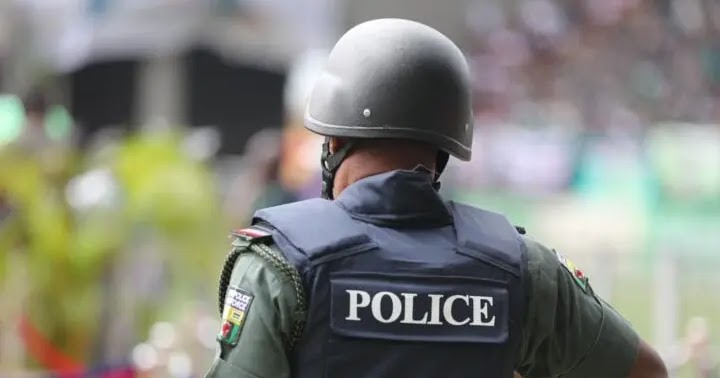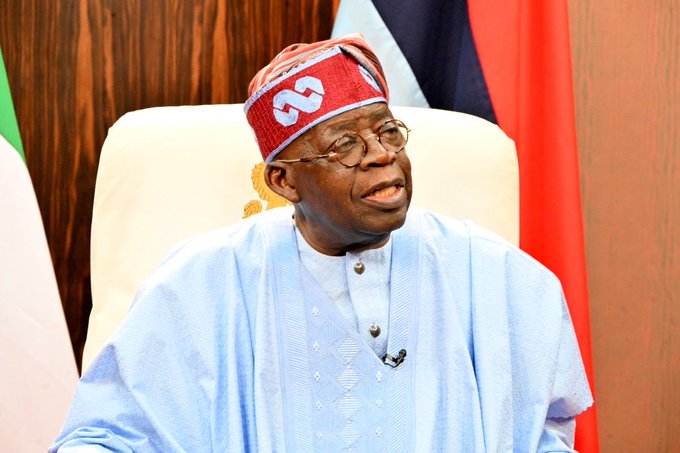
Bola Tinubu the president of Nigeria has insisted on his earlier directive to withdraw police officers currently providing security for Very Important Persons (VIPs) in the country, further directing the Minister of Interior to deploy officers of the Civil Defence to replace the withdrawn officers from special duties.
On November 23, President Bola Tinubu ordered the withdrawal of police officers providing security for the VIPs in the country and their subsequent redeployment to core police duties during a security meeting with the Service Chiefs and the Director-General of the Department of State Service (DSS).
According to the directive, VIPs who want police protection would now request well-armed personnel from the Nigeria Security and Civil Defence Corps (NSCDC).
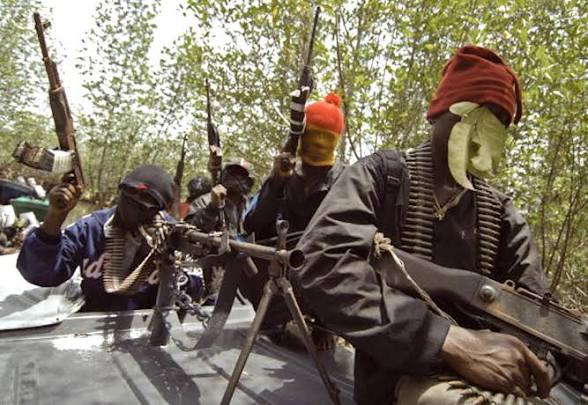
The directive was aimed at redeploying an estimated 100,000 officers to core policing tasks, amid escalating threats like mass abductions, terrorism and insurgency.
Speaking before the commencement of the Federal Executive Council (FEC) meeting, yesterday, President Tinubu directed Nigeria’s top security agencies to review and strengthen policing arrangements, emphasising the critical need to protect citizens amid rising kidnapping and terrorism threats.
Addressing members of the FEC, Tinubu stated: “I told the Inspector General of Police (IGP), and I hope the Minister of Police Affairs (Ibrahim Gaidam) is here, that if there is any problem of security because of the nature of your assignment, please contact the IGP and get my clearance.”
However, the Minister of Police Affairs and the Minister of Interior, Olubunmi Tunji-Ojo, were not present when the meeting began.
President Tinubu further instructed that the Minister of Interior should coordinate closely with the IGP and the Civil Defence structure to replace police officers currently deployed on special security duties, to avoid leaving communities exposed. “The National Security Adviser (NSA) and the Department of State Services (DSS) should provide further information, form a committee and review the security structure immediately. This must be implemented,” Tinubu stressed.
Highlighting the urgency, he acknowledged the exceptional security needs of vulnerable citizens (politically exposed persons) and urged that the civil defence and forest guards be adequately armed. “Take this very seriously,” the President emphasised, underscoring his commitment to strengthening all available security forces.
The directive came after the Nobel laureate, Wole Soyinka, condemned what he described as the “excessive” security escort attached to President Bola Tinubu’s son, Seyi Tinubu, linking it to Nigeria’s wider failures in security prioritisation.
Soyinka had said he personally observed a very large, heavily armed convoy protecting Seyi Tinubu in Lagos, describing the deployment as big enough to “take over a small country” or quell an insurrection in a neighbouring state.
On another front, President Tinubu turned attention to the contentious issue of livestock reform and grazing conflicts. He tasked Vice President Kashim Shettima to first secure National Economic Council (NEC) consensus on rehabilitating grazing reserves into viable ranches and livestock settlements. The aim is to eliminate violent conflicts and transform the reform into a driver of economic development, leveraging constitutional provisions that vest land ownership with states.
“Again, on livestock reform, I think the Vice President should get the NEC first of all to see which village or grazing reserves that can be salvaged or rehabilitated into ranches or livestock settlements.
“We must eliminate the possibility of conflicts and turn the livestock reform into economically viable development. The opportunity is there; let’s utilise it,” he said.
About The Author