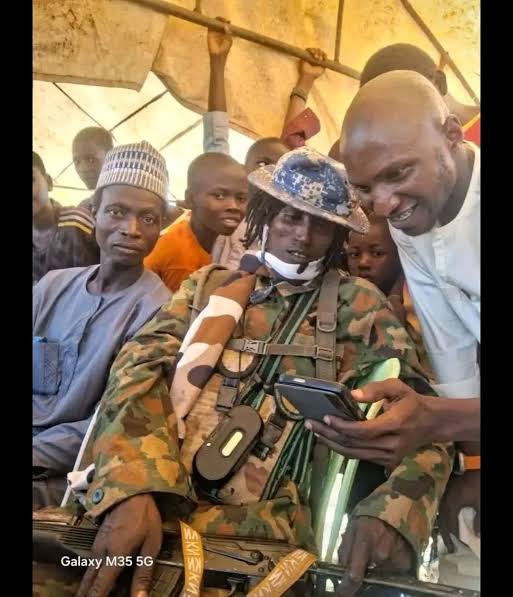
New allegations surrounding Nigeria’s insecurity crisis have revived public fears that banditry may be entangled with political ambition and, in some cases, used to weaken or discredit political opponents.
The debate intensified after a self-proclaimed bandit leader alleged that certain government actors once encouraged their operations and could stop them “at any time.”
Although the claim remains unverified, it has added new pressure to an already sensitive national conversation.
Security observers say the persistence of bandit attacks—despite repeated calls from the National Assembly to classify the groups as terrorists—has created space for widespread suspicion.
Many analysts believe the prolonged instability may benefit individuals seeking political influence, especially in regions where insecurity directly affects voter turnout, community trust, and public perception of leadership.
There are also long-standing concerns that some bandit networks evolved from armed political thugs originally recruited during election cycles.
Their failure to disarm, experts note, has allowed them to grow into decentralized groups capable of disrupting local governance and shaping political outcomes.
This has led to speculation that unresolved political ambitions may be indirectly sustaining pockets of bandits.
Public distrust continues to deepen, particularly due to communication gaps and limited transparency within security agencies. Many citizens fear that insecurity is becoming a strategic tool—whether intentionally or not—used to undermine certain candidates, influence regional politics, or tilt electoral calculations.
As debates escalate, Nigerians are calling for clearer investigations and a more decisive security strategy to separate political interests from national safety and restore public confidence in the fight against banditry.
About the Author