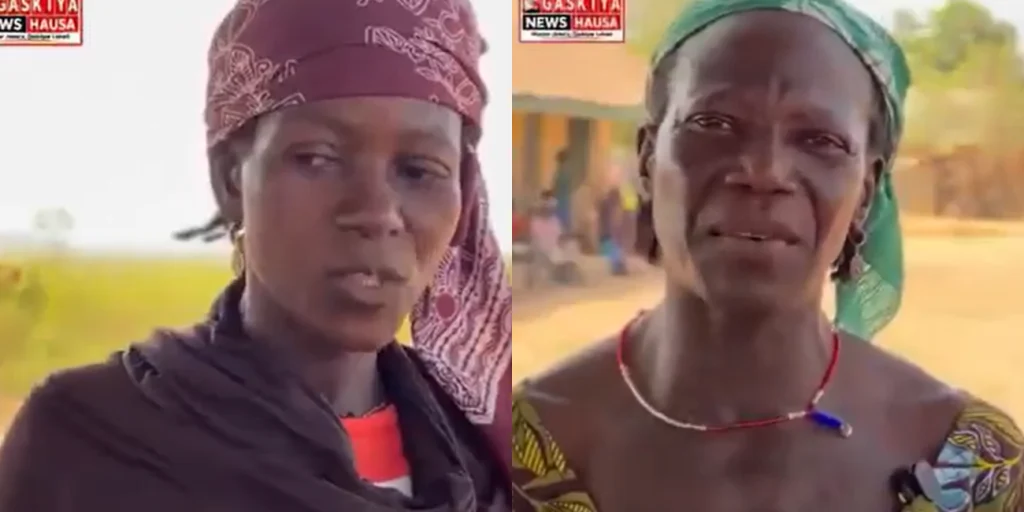
Women displaced by repeated attacks in Mariga Local Government Area of Niger State have accused armed groups of killing residents, raping women, targeting young girls, abducting pregnant women and destroying their sources of livelihood.
The victims, who fled more than 60 communities, are currently taking refuge in Dusai, Kuimo and Gulbin Boka, where they say they have endured hunger, sickness and homelessness for about six months.
In interviews conducted in Hausa by Gaskiya News Hausa, the displaced residents described how armed men invade their communities, steal valuables, destroy food supplies, seize livestock and subject women to sexual violence.
One of the women, identified as Maryam Sabon Wuri, said they had been away from their homes for six months despite planting crops before the attacks forced them to flee.
She explained that whenever they encountered the attackers, the men demanded sexual relations and threatened women regardless of their ages.
Inside Niger state:
Police Arrest 36 Suspects In Niger State Over Thuggery, Ritual, Vandalism
Nigerian Troop Eliminates 50 Terrorists, Rescues Kidnap Victims Across States
FRSC Reports 3,445 Road Crash Deaths in Nigeria in Nine Months
Maryam said elderly women and young girls were equally exposed to sexual abuse, insisting that the attackers showed no mercy to their victims.
Another displaced woman said the assailants routinely stole their money, mobile phones, household belongings and food supplies.
She added that the attackers also seized their goats and chickens, sometimes slaughtering the animals and leaving families with almost nothing.
The women explained that the insecurity had made farming extremely difficult, depriving residents of their main source of income and food.
According to Maryam, whenever farmers attempted to return to their farms, the armed men would attack their communities and destroy crops such as guinea corn and millet.
She said some farmers could not spend more than two days on their farms before being forced to escape again.
The displaced residents also lamented the difficulties of feeding their children, saying many mothers had been moving between communities in search of food and accommodation.
Maryam appealed to the government to provide food, essential supplies and adequate security to enable them to return to their homes.
She also expressed concern over the poor health of children living in difficult conditions without sufficient food or access to medical services.
Another woman from Sabon Wuri said the displaced families had received almost no humanitarian assistance since arriving at their temporary settlement.
She disclosed that although the displacement had lasted six months, they had spent 21 days at their current location without receiving meaningful support.
The woman said some residents had resorted to fetching water and doing other menial jobs to earn money for food, while others begged neighbouring communities for assistance.
She added that children frequently suffered from fever and other illnesses, but their parents struggled to afford medical treatment.
The victims also recounted tragic incidents involving displaced children, including one who reportedly died after being bitten by a snake inside their temporary accommodation.
They further disclosed that some residents, including women and children, had died while fleeing the attacks or because of medical emergencies.
One of the women described cases of pregnant women experiencing serious complications and bleeding without access to proper medical attention.
She also said a woman was receiving hospital treatment after sustaining injuries in a motorcycle accident while searching for food for her children.
A male resident identified as Hassan described the hardship faced by families during their escape, saying some parents carried their children on their backs and shoulders, while others dragged them on mats.
He said the situation had made it almost impossible for parents to provide for their families.
Hassan also lamented that many farmers had lost their harvests because they could no longer safely access their farms.
Another resident, identified as Mahamadu from Sabon Wuri, accused the armed groups of killing residents and abducting pregnant women for sexual abuse.
He appealed to President Bola Tinubu and Niger State Governor Mohammed Umaru Bago to urgently deploy security personnel to the affected communities.
Mahamadu said insecurity had persisted in the area for about eight years, while the latest wave of displacement had lasted approximately six months.
He alleged that residents had repeatedly received promises of security intervention, but the assurances had not resulted in adequate protection.
According to him, the attackers sometimes arrive on motorcycles in groups numbering more than 100, taking control of forests and surrounding lowland areas.
He said the situation had also disrupted children’s education, as pupils and teachers could no longer safely access several affected communities.
Mahamadu claimed that about 60 people were killed in his community alone last year, while several others were abducted and had remained missing for more than a year.
He urged the government to provide adequate security personnel and equipment, warning that residents remained exposed to further attacks.
The displaced families also complained about the absence of basic facilities, including functional hospitals, accessible roads and schools, even before the security crisis worsened.
They said the lack of healthcare services had made life particularly difficult for pregnant women, sick children and elderly residents.
The residents are calling on the Federal Government, Niger State Government and security agencies to urgently address the crisis, provide humanitarian assistance and restore peace.
They said their greatest desire was to return to their ancestral homes, resume farming activities and allow their children to continue their education without fear of attacks.
About the Author