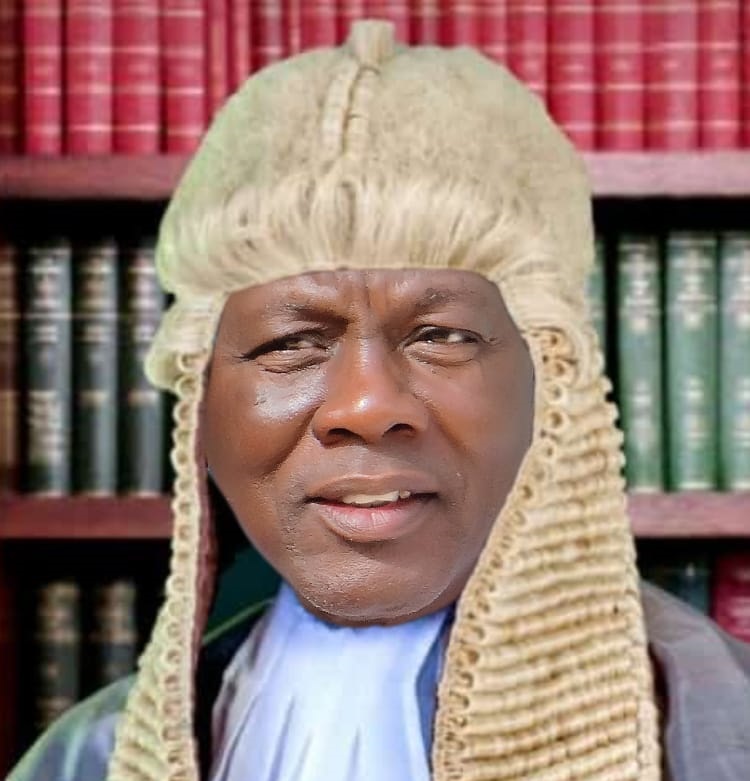
A university lecturer alleged to be the Head of the Department of History and International Studies at a university in Kano State has become the center of public attention after a viral video showed him being physically assaulted by a man believed to be the husband of one of his students.
The incident, which has generated widespread reactions on social media, was reportedly linked to allegations that the lecturer demanded sexual favours from a female student before approving her academic project.
According to accounts circulating online, the lecturer allegedly delayed signing the student’s project and insisted that she meet him privately before he would grant approval. The student reportedly informed her husband about the alleged demand, after which they allegedly devised a plan to confront the lecturer.
The confrontation was said to have taken place at a hotel where the meeting had allegedly been arranged. A video shared online appears to show the husband physically attacking the lecturer while several others were present during the incident.
Inside Kano State:
Five Killed, ₦120m Property Lost in 30 Fire Incidents Across Kano
Kano fire service saves man trapped after wall collapse in Kano
Kano Hisbah Bans Mobile Movie Download, Distribution Across State
Community Leader Killed as Troops Repel Bandit Attack in Kano
The footage has sparked mixed reactions across social media. While some users praised the husband for standing up for his wife against alleged sexual harassment, others condemned the assault, arguing that such allegations should be reported to the appropriate authorities rather than resolved through violence.
As of the time of reporting, neither the university management nor the police had officially confirmed the identities of those involved or the authenticity of the allegations circulating online. No official statement had also been issued by the institution regarding the incident.
The case has renewed disc huhssions about sexual harassment in Nigerian tertiary institutions and the need for effective reporting mechanisms, thorough investigations, and accountability, while also highlighting concerns over citizens taking the law into their own hands before official inquiries are concluded.
About The Author